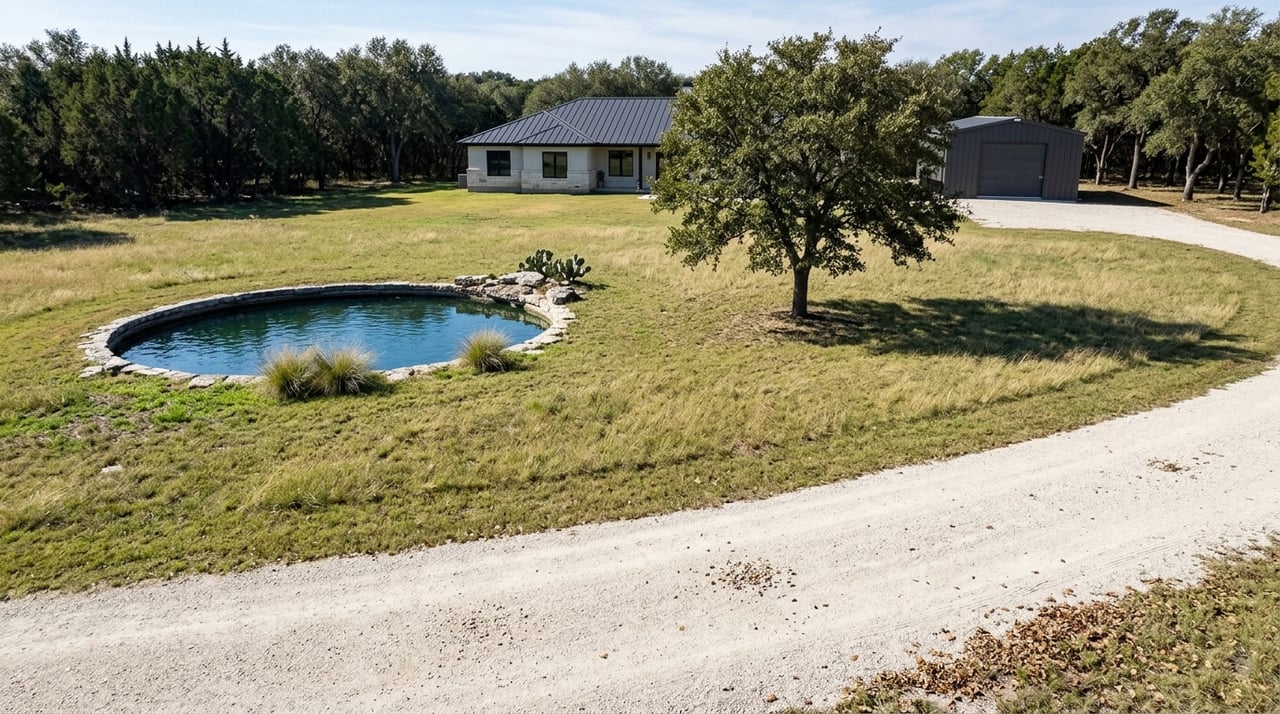
When To Sell Your Lampasas Ranch Or Acreage
April 2, 2026
April 2, 2026
If you are thinking about selling your Lampasas ranch or acreage, timing can shape both your marketing strategy and your final result. Land does not move like a typical neighborhood home, and in Lampasas County, that matters. When you understand how the local market, seasonal conditions, and property prep all work together, you can make smarter decisions before you list. Let’s dive in.
Selling land in Lampasas is often a longer process than many owners expect. According to Land.com’s Lampasas County market data, there are 416 properties for sale, covering 29,912 acres, with a median days on market of 173 days. That means sellers should plan for a market that can reward patience, preparation, and a well-timed launch.
Lampasas County also attracts different types of land buyers. Texas A&M AgriLife’s county overview notes that the area includes cattle grazing, hay, wheat, sorghum, and pecan groves, along with recreation tied to hunting, fishing, and the Lampasas and Colorado Rivers. Because of that mix, your buyer could be looking for productive land, a recreational retreat, or a property that offers both.
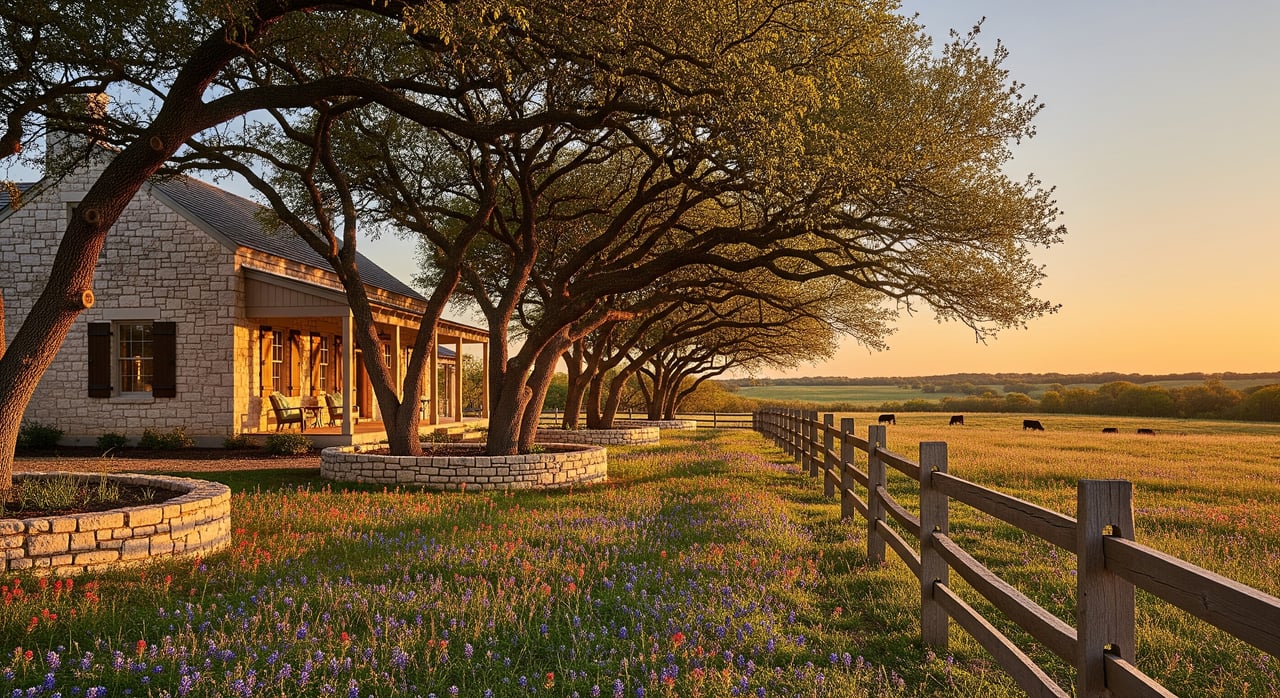
For many Lampasas ranch and acreage owners, late winter through spring is often the strongest listing window. This timing is supported by broader seasonality research and local weather patterns that help land show well. If your property looks greener, more accessible, and easier to tour, buyers can usually picture its value more clearly.
Zillow’s 2025 research on home sale timing found that homes listed in the last two weeks of May 2024 earned the highest national premium, though the company also notes that the best window can vary by market. For Lampasas acreage, that national trend lines up with local conditions that often make spring a practical time to launch.
NOAA and National Weather Service climate data for Lampasas show average highs moving from 60.5°F in January to 79.2°F in April and 85.7°F in May. Spring precipitation is also stronger than winter in many months, which can help pasture, trees, and water features present better during showings.
That matters because land is visual. Buyers notice green grass, healthy tree cover, clearer creek beds or tanks, maintained roads, and fencing that is easier to inspect. Once the hotter part of summer arrives, some properties can look more stressed, and long outdoor tours can become less comfortable.
Early fall can still be a useful secondary window, especially for buyers focused on recreation or hunting use. If your tract is set up for habitat, access, and outdoor use, a fall launch may align well with how those buyers evaluate land.
Still, spring often has the edge for overall presentation. The strongest strategy is usually to list when your property looks clean, usable, and easy to understand at first glance.
One of the biggest mistakes sellers make is waiting until they are ready to list before they begin the real work. With ranch and acreage property, a lot can affect marketability long before photos are taken. A 6- to 12-month runway often gives you the time needed to improve how the property shows and resolve issues that could slow a contract later.
The Texas NRCS explains that it helps landowners with resource assessment, practice design, and monitoring, and that many programs involve ranking periods rather than quick approvals. That supports the idea that meaningful land improvements and planning often take months, not weeks.
If you want to hit the market in spring, it often makes sense to start in the prior summer or fall. That gives you time to handle practical items such as:
The Texas Parks and Wildlife Private Lands and Habitat Program also highlights the value of wildlife habitat work for private landowners. For sellers, that can matter not only for stewardship, but also for how hunting and recreational buyers view the tract.
Pricing ranch or acreage property takes more than checking nearby homes. Land.com reports a Lampasas County median list price of $503,800, a median price per acre of $14,836, and a median lot size of 22.6 acres for listings over 10 acres. Those numbers are helpful as a broad snapshot, but they are not a substitute for tract-specific analysis.
Regional land trends also show resilience. The Texas Real Estate Research Center reported that the Austin-Waco-Hill Country rural land region rose 8.15% year over year to $7,911 per acre in 4Q2025, with sales and dollar volume also increasing. Even so, the same report notes that broad data should be treated as trend indicators, not as a direct valuation for an individual property.
Two Lampasas properties with the same acreage can still have very different market positions. Buyers may weigh factors like:
That is why the question is not just when should you sell? It is also when will your property be ready to compete well?
Timing a sale is not only about weather and curb appeal. It is also about how prepared you are behind the scenes. Rural transactions often involve tax questions, mineral issues, and property details that should be sorted out before you go live.
The Lampasas County Appraisal District’s 2025 agricultural valuation analysis shows productivity values that are far below market pricing. For example, it lists average native pasture at $7.75 per acre and good native pasture at $10.70 per acre for ag valuation purposes. Those figures reflect income-producing capacity, not what the land would likely sell for on the open market.
The Texas Comptroller states that if qualified agricultural land is taken out of agriculture or timber production, a rollback tax can apply. That tax is based on the difference between taxes paid under productivity appraisal and taxes that would have been paid at higher market value.
This does not mean every sale creates the same outcome, but it does mean you should understand how current and future land use may affect the transaction. Getting clear on that before listing can help you avoid surprises during negotiations.
Minerals, water, timber, and other reserved interests can also affect timing. TREC’s addendum for reservation of oil, gas, and other minerals shows that these items are handled through specific contract materials and attached addenda.
In practical terms, it is wise to clarify ownership, leases, easements, and reservation plans early. Waiting until the final weeks before closing can create unnecessary delays or confusion.
If you want a simple way to think about timing, use this framework:
| Timeline | What to focus on |
|---|---|
| 6 to 12 months out | Property cleanup, fence and road work, water checks, habitat improvements |
| 3 to 6 months out | Review pricing strategy, tax questions, surveys, title items, mineral information |
| 1 to 2 months out | Final property prep, photography, marketing plan, launch timing |
| Late winter to spring | Preferred listing window for many Lampasas ranch and acreage properties |
This kind of approach gives you room to be proactive instead of rushed. It also helps your property enter the market when it looks its best and your paperwork is in order.
For many owners, the best answer is this: start preparing months ahead and aim to list in late winter through spring. In Lampasas, that timing often offers a better visual presentation, more comfortable touring conditions, and a stronger first impression for both working-land and recreational buyers.
Just as important, your sale timeline should match your tract’s condition and complexity. If fencing, access, habitat, water systems, tax questions, or mineral details still need attention, it may be worth delaying your launch so you can bring the property to market with more confidence.
If you are considering selling ranch land or acreage in Lampasas, working with a team that understands rural property marketing can make the process far more strategic. Debbie Stevenson offers knowledgeable guidance, elevated marketing, and a practical approach tailored to complex Central Texas properties.
Stay up to date on the latest real estate trends.
Real Estate
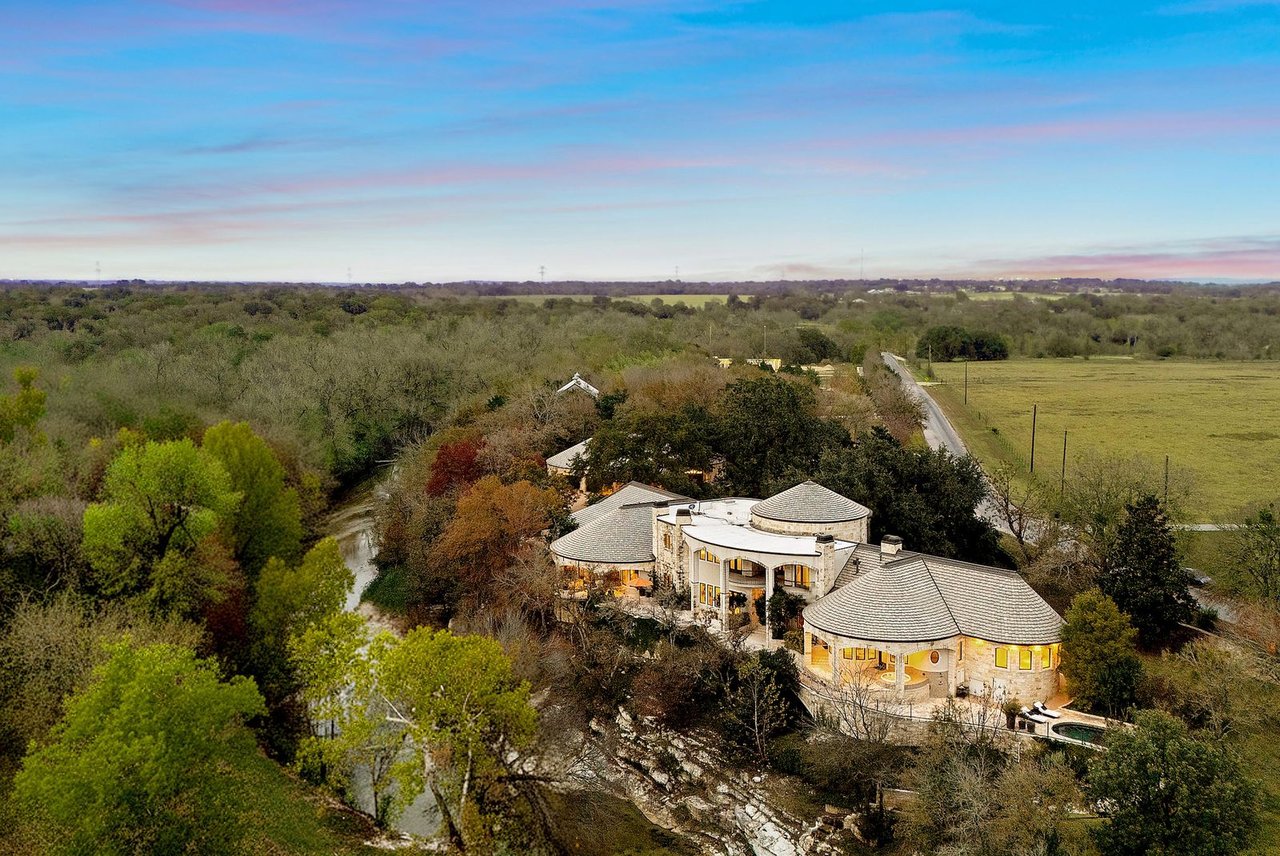
Why Luxury Auctions are the Ultimate Choice for Unique Properties and Ranches
Real Estate
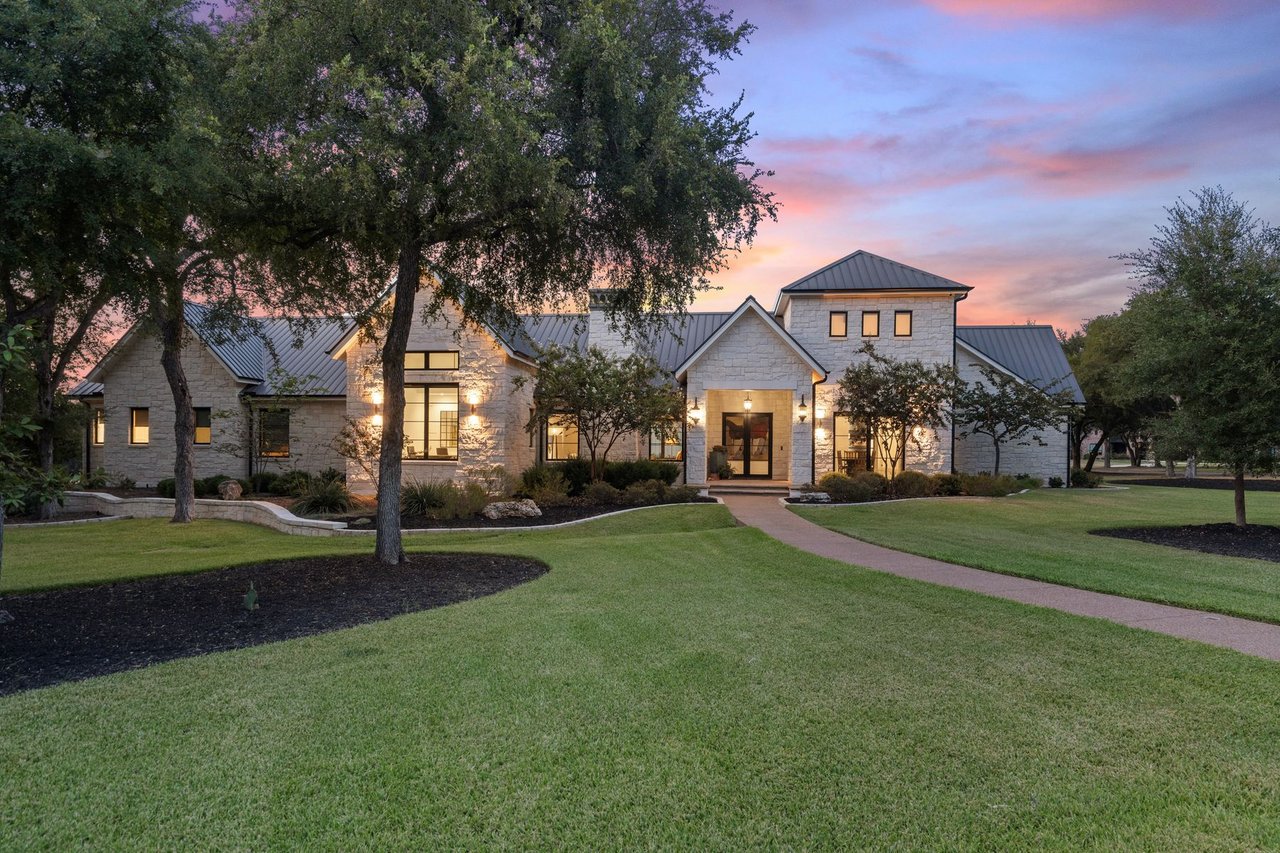
Luxury continues to outperform general market
Offering expert guidance, strong negotiation, and personalized service in every transaction. Specializing in Central Texas real estate, farm and ranch properties, and new construction, committed to delivering the best results for buyers and sellers alike.